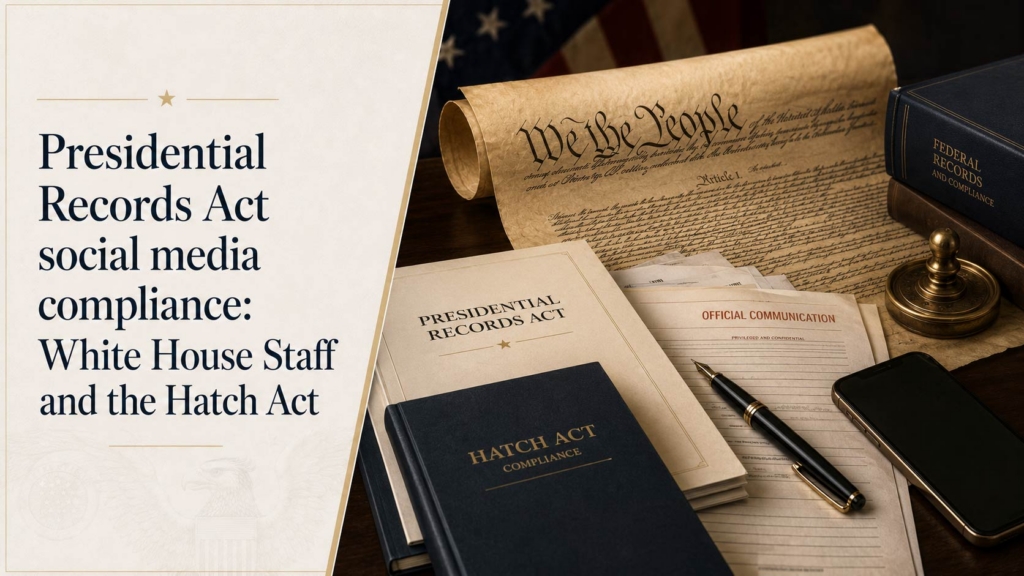
US antitrust and M&A law. HSR antitrust risk allocation remains a central drafting issue after the revised notification form was judicially vacated in 2026.
The debate tests whether reduced filing obligations also reduce the need to map strategic documents, pipeline overlaps and nascent competition in acquisition agreements.
Check the analysis, the sources, the verdict and concept training
https://solsicelegal.com/public/debates/true-or-false-following-the-2026-judicial-vacatur-of-the-rev-7053567cb383
The Thesis
TRUE or FALSE: Assume that in 2026 a U.S. court issued a judicial vacatur (i.e., set aside and rendered unenforceable) of the then-revised Hart-Scott-Rodino (HSR) premerger notification form. As a result of that vacatur, in negotiating and drafting antitrust risk-allocation provisions in a U.S. acquisition agreement (e.g., covenants, conditions, “hell-or-high-water” obligations, cooperation duties, and disclosure schedules), the parties no longer need to identify (a) ordinary-course strategic documents, (b) pipeline overlaps, or (c) nascent competitive relationships relevant to antitrust risk assessment.
Legal Texts, Case Law, and Concepts
The PDF report centres on the Hart-Scott-Rodino Antitrust Improvements Act, particularly 15 U.S.C. § 18a and the Second Request mechanism, alongside FTC Act §§ 6 and 20, Section 7 of the Clayton Act and the 2023 Merger Guidelines. Its procedural pivot is Chamber of Commerce v. FTC, No. 6:25-cv-9 (E.D. Tex., 12 February 2026), followed by the Fifth Circuit order of 19 March 2026 denying a stay pending appeal.
It applies antitrust risk-allocation provisions, cooperation covenants, hell-or-high-water obligations, disclosure schedules, ordinary-course documents, pipeline overlaps, nascent competition, fiduciary diligence and material-risk disclosure.
The most revealing aspect is how the TRUE and FALSE sides used various authorities to defend or challenge the proposition.
Current or Practical Context
On 4 August 2026, the pre-2025 HSR form remained operative, while the Fifth Circuit appeal was held in abeyance until 31 December 2026 as the FTC and DOJ considered replacement rulemaking ; the agencies’ ability to seek additional information, including through Second Requests, nevertheless remained relevant to transaction planning.
Summary
| Description | Details |
|---|---|
| Original report | https://solsicelegal.com/public/debates/true-or-false-following-the-2026-judicial-vacatur-of-the-rev-7053567cb383 |
| 47 pages | |
| Language | English |
| Scores | Weighted TRUE: 0.00; weighted FALSE: 3.38; verdict: FALSE; confidence: 80% |
| Think tank AIs | minimax/minimax-m3; openai/gpt-5.1; z-ai/glm-5.1; qwen/qwen3.7-max |
| Clerk-arbitrator | openai/gpt-5.2 |
| Data | 40 glossary terms; 13 tables, including the debate-winner matrix and comparative HSR, investigative-power and contractual-risk tables |
| Quiz language | French |